
What Is Manufacturing Finance and How Does It Work?
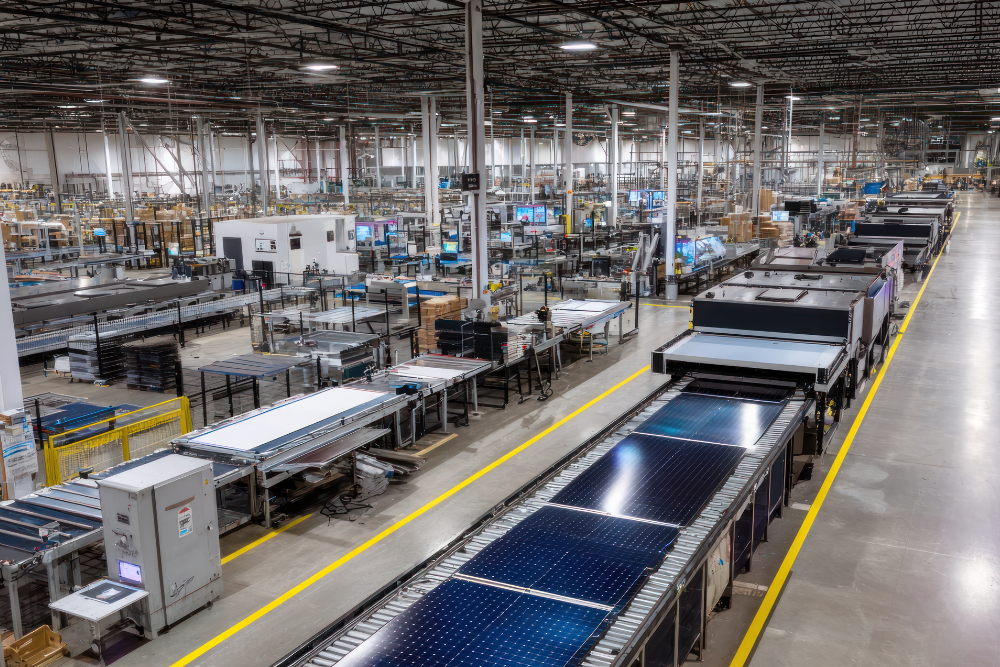
Manufacturers rely on machinery, materials, technology and skilled people to keep production moving. Purchasing these resources outright can place significant pressure on cash flow, particularly when a business is expanding, replacing ageing equipment or fulfilling a large new order.
Manufacturing finance refers to funding used by manufacturing businesses to acquire production assets, manage working capital and support growth. Depending on the purpose, it may include machinery finance, equipment leasing, commercial loans, invoice finance or other cash-flow solutions.
This guide explains how manufacturing finance works, the main options available and what Gold Coast and South East Queensland businesses should compare before applying.
What Is Manufacturing Finance?
Manufacturing finance is not a single loan product. It is an umbrella term for finance designed around the operational needs of manufacturers, fabricators, processors and industrial businesses.
Funding may be used for:
- CNC machines and machining centres
- Laser cutters, plasma cutters and waterjet systems
- Food-processing and packaging equipment
- Welding, fabrication and metalworking machinery
- Robotics and production automation
- Conveyors and materials-handling systems
- Printing and labelling equipment
- Compressors, generators and refrigeration systems
- Forklifts and warehouse equipment
- Software, technology and eligible fit-outs
- Raw materials, inventory and working capital
Millard Financial's manufacturing machine finance service helps eligible businesses compare funding for new and used manufacturing assets.
Why Manufacturers Use Finance
Manufacturing assets can involve a substantial upfront cost. Paying cash may avoid interest, but it can also reduce the funds available for wages, materials, maintenance, tax obligations and unexpected expenses.
Finance can help a business:
- Preserve working capital for daily operations
- Replace unreliable or inefficient machinery
- Increase capacity to meet customer demand
- Automate repetitive production tasks
- Improve quality control and consistency
- Fund equipment needed for a new contract
- Align repayments with expected asset use
- Spread the cost of expansion over time
Borrowing also creates a fixed financial commitment. Before proceeding, manufacturers should test whether repayments remain affordable if production is interrupted, input costs rise or customer payments are delayed.
Common Types of Manufacturing Finance
The right option depends on what is being funded, the useful life of the asset, business cash flow and the applicant's financial position.
Equipment and machine loans
Equipment loans allow a business to acquire machinery and repay the cost over an agreed term. The financed asset often supports the loan as security.
These machine loans may suit equipment that the business expects to use for several years. Lenders can assess the asset's age, condition, supplier, resale market and role in generating revenue.
For broader asset categories, explore Millard Financial's equipment finance solutions.
Chattel mortgage
Under a chattel mortgage, the business generally owns the equipment from the beginning while the lender registers a security interest over it. The loan is repaid over an agreed term and may include a balloon or residual payment.
A balloon can reduce regular repayments but leaves a larger amount due at the end. Businesses should consider the equipment's expected value and their ability to meet or refinance that payment.
Finance lease
A finance lease generally allows the business to use equipment for an agreed period while the financier retains ownership. End-of-term options and obligations vary, so check whether the equipment can be purchased, returned or refinanced and what residual amount applies.
Operating lease or rental
An operating lease or equipment rental may suit assets that need regular upgrades or are required for a limited project. The business should compare usage conditions, maintenance responsibilities and end-of-term costs with the long-term cost of ownership.
Heavy equipment finance
Manufacturers may require forklifts, loaders, cranes or other large assets for materials handling and site operations. Millard Financial's heavy machinery loan service covers eligible industrial and heavy equipment purchases.
Working capital finance
Working capital supports operating expenses rather than a specific long-term asset. It may help pay suppliers, wages, freight or utilities while the business waits for customers to pay.
Because working-capital products can have shorter terms and different pricing from secured equipment finance, compare the repayment frequency, fees and total cost carefully.
Invoice finance
Invoice finance may allow an eligible business to access part of the value of unpaid business invoices. It can help address timing gaps between producing goods, issuing invoices and receiving payment.
Fees, customer-notification arrangements, minimum volumes and recourse conditions vary by provider. It is important to understand what happens if a customer pays late or does not pay.
Buying Versus Leasing Manufacturing Equipment
Choosing whether to buy or lease depends on how long the equipment will remain useful, how quickly technology changes and how much flexibility the business needs.
Tax and accounting treatment can differ between structures. Speak with a qualified accountant or tax adviser about your circumstances before relying on a potential tax benefit.
How Manufacturing Finance Works
1. Identify the business need
Start with the operational problem the finance is intended to solve. Consider whether the asset will increase production, reduce costs, replace unreliable machinery or support a confirmed contract.
2. Obtain equipment details and quotes
Lenders may need the make, model, age, price and supplier information. Used or specialised equipment may require a valuation, inspection or evidence of its resale market.
3. Review business cash flow
Calculate the full cost of ownership, including installation, training, transport, servicing, insurance, software and downtime. Test whether repayments remain manageable under a conservative revenue forecast.
4. Compare finance structures
Assess the rate, fees, term, repayment schedule, security, deposit, balloon payment and early payout conditions. The product advertising the best equipment finance rates may not offer the lowest total cost once fees and structure are considered.
For further guidance, read equipment and machine finance interest rates.
5. Prepare and submit the application
Your broker or lender will assess the business, owners, equipment and repayment capacity. Further financial information or an asset valuation may be requested.
6. Approval, documentation and settlement
If approved, review all conditions before signing. Settlement may involve payment directly to the supplier. Do not commit to a non-refundable purchase until finance conditions are understood.
What Affects Manufacturing Equipment Finance Rates?
There is no single rate for all manufacturing loans. Equipment finance rates may be influenced by:
- Time in business and trading performance
- Credit history of the business and directors
- Strength and consistency of cash flow
- Loan amount and term
- Deposit or equity contribution
- Age, condition and resale value of the equipment
- Whether the asset is new, used or imported
- Supplier details and transaction risk
- Security and guarantee requirements
- Balloon or residual payment
- Lender policy and market conditions
When comparing equipment financing rates, ask for the interest rate, applicable fees, repayment amount and total amount payable. A longer term may lower regular repayments but increase the total interest cost.
Finance for New Manufacturing Businesses
A new manufacturer may need equipment before it has established financial statements or a long trading record. Some specialist lenders consider applications from new ABN holders based on industry experience, deposit, equipment quality, business plans, contracts and the applicant's overall financial position.
An ABN start-up loan or start-up equipment facility remains subject to credit criteria and is not guaranteed simply because an ABN has been registered. New operators can explore start-up business loan options and read about ABN loans for start-ups on the Gold Coast.
Documents a Lender May Request
Requirements differ according to the product and applicant, but may include:
- Identification for directors or business owners
- ABN, ACN and business registration details
- Recent business bank statements
- Financial statements and tax returns
- BAS records
- Details of current loans and liabilities
- Cash-flow forecasts or a business plan
- Supplier quote or tax invoice
- Information about the equipment and its intended use
- Contracts or purchase orders supporting increased demand
- Details of the proposed deposit or contribution
Low-doc options may be available to eligible applicants, but low-doc does not mean no assessment. The lender must still be satisfied that the finance is suitable under its policy and that the business can meet the repayments.
How an Asset Finance Broker Can Help
Manufacturing transactions can be complex, particularly when equipment is specialised, imported, used or supplied with installation and software costs. An asset finance broker can help match the transaction with lenders that finance the relevant asset type.
A broker can assist with:
- Comparing lending structures and eligibility requirements
- Identifying lenders that understand manufacturing assets
- Reviewing rates, fees, terms and residual payments
- Presenting financial information and equipment details
- Coordinating supplier invoices, documentation and settlement
- Considering funding for related vehicles or working capital
Read asset finance broker versus bank for a comparison of the two approaches.
Manufacturing Finance on the Gold Coast and South East Queensland
Gold Coast and South East Queensland manufacturers operate across food production, metal fabrication, construction products, marine manufacturing, printing, packaging and advanced manufacturing. Each sector has different equipment cycles, margins and customer payment terms.
When choosing finance, local location is only one part of the assessment. The more important factors are whether the lender understands the asset, the proposed repayment structure suits the business and the total cost is manageable.
The Australian Government's business.gov.au finance guide provides general information about funding options, grants and financial planning. Queensland businesses can also review Business Queensland grants and support for current government programs and eligibility requirements. Grants are separate from commercial finance and are not guaranteed.
Frequently Asked Questions
Can manufacturing finance cover used machinery?
Yes, selected lenders consider used equipment. The machinery's age, condition, value, supplier and expected working life may affect the available term, deposit and rate.
Can installation and delivery costs be financed?
Some lenders may include eligible transport, installation or commissioning costs in the facility. Confirm this before ordering because policies vary and soft costs may be treated differently from the equipment itself.
Is a deposit required for manufacturing equipment finance?
Deposit requirements depend on the applicant, asset and lender. A contribution may be required for start-ups, older machinery, imported equipment or assets with a limited resale market.
How long does equipment finance approval take?
Timeframes vary. A complete application for a standard asset may be assessed faster than a complex transaction involving specialised or imported equipment. Approval time should not be treated as guaranteed.
Can manufacturing finance be used for working capital?
Asset finance generally funds a specific piece of equipment. Working capital usually requires a different product, such as a business loan, overdraft or invoice-finance facility.
Can I finance machinery from an overseas supplier?
Some lenders consider imported equipment, but may require additional information about the supplier, payment terms, shipping, currency, warranties, installation and local resale value. Do not transfer funds until the finance and transaction risks have been reviewed.
Is the interest on manufacturing finance tax-deductible?
Tax outcomes depend on the finance structure and how the asset is used. Speak with a registered tax agent or accountant for advice specific to your business.
Find Manufacturing Finance That Fits Your Operation
Manufacturing finance can help a business acquire machinery, preserve working capital and expand production without paying the entire asset cost upfront. The right option depends on the equipment, cash flow, business history and total borrowing cost.
Millard Financial helps manufacturers compare manufacturing finance on the Gold Coast and across Australia, including machine loans, equipment finance and eligible working-capital solutions. Contact Millard Financial to discuss the equipment, your business goals and the documents needed for an assessment.
Credit criteria, fees, terms and conditions apply. Approval and assessment times vary. This article provides general information and does not constitute personal financial, tax or legal advice.
Latest insights and trends
.png)
.png)


.png)
Ready to secure your finance solution?


Licensing statement:PENNY ENTERPRISES PTY LTD has been appointed as a Corporate Credit Representative of Connective Credit Services.
The Corporate Credit Representative Number (CRN) for PENNY ENTERPRISES PTY LTD is 566212 Australian Credit Licence 389328 Disclaimer statement: Disclaimer: Your full financial situation would need to be reviewed prior to acceptance of any offer or product.
Member of FBAA Finance Brokers Associate Australia Member of AFCA Australian Financial Complaints Authority