
What Are the Five Sources of Agricultural Finance?
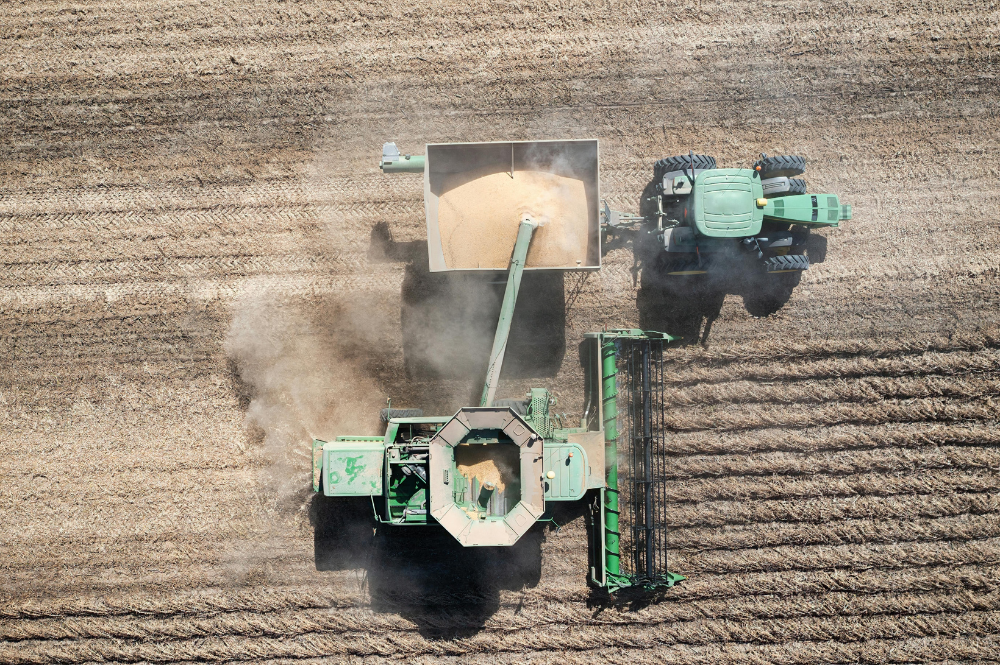
Agricultural finance is the funding farmers and agribusinesses use to buy machinery, cover seasonal cash flow, expand land or water infrastructure and ride out drought or price swings. Whether you run a family property in the Scenic Rim or a larger agribusiness across South East Queensland, finance for agriculture comes from five main places. Each one suits a different need, term and risk profile.
Three sources of farm finance:
- Banks and specialist lenders: agricultural business loans, equipment finance and overdrafts.
- Government programs: concessional loans, drought and disaster assistance, free rural financial counselling.
- Brokers and private lenders: access to many lenders, faster approvals, flexible structures.
The other two sources are cooperatives and mutual funding, and personal or family funds.
For short-term needs such as seasonal wages and inputs, see our business cash flow lending.
1. Institutional agricultural finance: banks and lenders
Banks and specialist agri lenders are the most common source of agriculture financing. Products include agricultural business loans, overdrafts, chattel mortgages and equipment finance. Repayments can often be shaped around harvest or sale cycles. Lenders usually assess your financial position, credit history, security and industry experience. See how lenders assess applications.
2. Government programs and agricultural funds
Government-backed agricultural funds are often the lowest-cost finance for agriculture, but eligibility rules apply.
- Regional Investment Corporation (RIC): the Farm Investment Loan, Drought Loan and AgriStarter Loan each offer up to $2 million over 10 years with five years interest only. The listed rate was 5.18% variable in RIC's April 2026 factsheet, reviewed each 1 February and 1 August.
- QRIDA (Queensland): the Sustainability Loan offers up to $1.3 million for upgrades, water, drought preparedness and biosecurity, with terms up to 20 years and no fees. The First Start Loan helps new producers. QRIDA announced in July 2026 that drought carry-on and emergency drought loans are reinstated, with details still to come.
- Rural Financial Counselling Service: free, independent advice for farmers under financial pressure.
- Tax: the $20,000 instant asset write-off became permanent from 1 July 2026 for businesses with turnover under $10 million. Read our instant asset write-off guide and confirm your position with your accountant.
3. Cooperative and microfinance options
Cooperatives and mutual funds pool member money to offer lower-cost loans, shared machinery and group purchasing. They suit smaller producers and start-ups, and are a common route into agribusiness finance when bank credit is hard to access.
4. Private lenders and finance brokers (agri finance)
A broker compares many lenders for you, which matters because agri finance policies differ sharply between them. Private lenders can approve faster and structure around irregular income, seasonal revenue or used equipment. Read why use a commercial finance broker and private lending explained, or see our private lending service.
5. Personal or family finance for farms
Savings, family contributions and off-farm income often fund early-stage finance for a farm: deposits, repairs and short-term working capital. It carries no lender approval, but it can limit growth and tie up personal assets.
Benefits of Agriculture Finance
- Spread the cost of machinery instead of paying up front, protecting cash flow.
- Access newer, more productive equipment (see how farmers can finance tractors and harvesters).
- Match repayments to seasonal income.
- Fund growth, diversification and drought preparedness.
How to Choose the Right Agriculture Financing
- Match the term to the asset: short-term finance for working capital, medium-term for machinery, long-term for land and water.
- Compare rates and fees, understand what affects equipment finance rates, and decide whether fixed or variable suits you.
- Check seasonal repayment flexibility and any balloon payment.
- Understand loan versus lease trade-offs.
- Check security and collateral requirements.
- Check eligibility for government programs before approaching commercial lenders.
Frequently Asked Questions
What are the main sources of agricultural finance?
Banks and specialist lenders, government programs, cooperatives and mutual funding, brokers and private lenders, and personal or family funds.
Can you list three sources of farm finance?
Banks and lenders, government loans such as RIC and QRIDA, and finance brokers or private lenders.
What is the difference between agricultural finance and agribusiness finance?
Agricultural finance funds the farm itself: machinery, livestock, land and seasonal costs. Finance in agribusiness also covers farm-related businesses such as processing, supply and transport, and may include truck and commercial vehicle finance or heavy equipment finance.
Can new farmers get finance?
Yes. Options include government first-farm loans, start-up business loans and private lenders. Lenders will look closely at experience and your deposit.
Is agriculture financing available with bad credit?
Some private and specialist lenders consider it, with higher rates or more security. Read how to build business credit.
Talk to an Agricultural Finance Specialist
Millard Financial helps Gold Coast and South East Queensland producers compare agri finance options across lenders. Explore our agricultural equipment finance service or contact us for a no-obligation chat.
Latest insights and trends





Ready to secure your finance solution?


Licensing statement:PENNY ENTERPRISES PTY LTD has been appointed as a Corporate Credit Representative of Connective Credit Services.
The Corporate Credit Representative Number (CRN) for PENNY ENTERPRISES PTY LTD is 566212 Australian Credit Licence 389328 Disclaimer statement: Disclaimer: Your full financial situation would need to be reviewed prior to acceptance of any offer or product.
Member of FBAA Finance Brokers Associate Australia Member of AFCA Australian Financial Complaints Authority