
Equipment Finance Interest Rates in Australia: What Affects Your Rate?
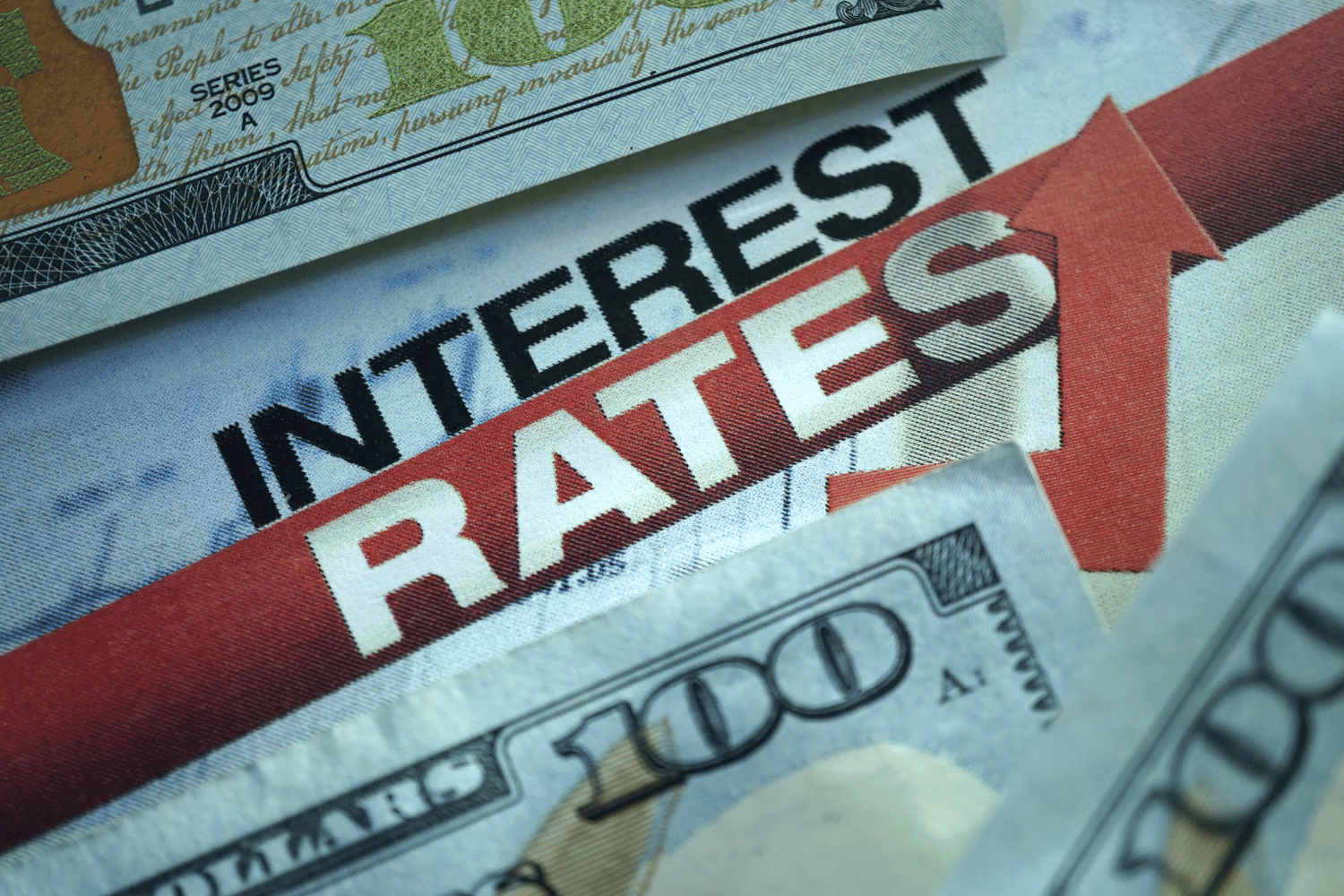
Ask five different equipment finance customers what rate they're paying and you'll likely get five different answers even for similar loan amounts on similar machinery. That's because there's no single published rate for equipment finance in Australia. Instead, equipment and machine financing rates typically sit somewhere between 6.50% and 10.99% p.a., and where you land within that range comes down to a handful of factors specific to your business and the asset itself.
Here's what actually moves the needle on your rate, and what you can do to put yourself in the best possible position before you apply.
1. Your Credit History and Score
Lenders use your credit score and history as a starting point for assessing risk, but it's rarely the whole picture. A clean repayment history on existing loans, credit cards or trade accounts signals lower risk and generally unlocks sharper pricing.
That said, a lower credit score doesn't automatically rule you out it just narrows the field of lenders willing to compete for your business, and the rate on offer tends to reflect that added risk. Our piece on what credit score is needed for a crane loan covers how lenders weigh credit score alongside trading history and cash flow for larger equipment purchases specifically.
2. The Type and Age of the Asset
Newer, standardised equipment think excavators, trucks, cranes or forklifts from well-known manufacturers are easier for lenders to value and resell if something goes wrong, so it typically attracts better rates. Older, specialised, or niche machinery is harder to value and slower to sell second-hand, which pushes the rate up to compensate for that added risk.
As a rule of thumb, the more "generic" and in-demand the asset, the more competitive the finance market for it tends to be.
3. Whether the Loan Is Secured Against the Asset
Asset-backed finance where the equipment itself acts as security for the loan is generally cheaper than an unsecured facility, since the lender has something tangible to fall back on if repayments stop. This is one of the main reasons equipment finance often comes in cheaper than a general unsecured business loan for the same amount, even for businesses with a similar risk profile.
4. Deposit Size
A larger deposit reduces the amount you're borrowing and lowers the lender's exposure, which can translate directly into a better rate. It also demonstrates a degree of financial commitment that lenders read as lower risk. If cash flow is tight and a large deposit isn't realistic right now, it's still worth discussing your options. Many lenders offer low or no-deposit structures, just typically at a slightly higher rate to offset the added risk.
5. Loan Term
Longer loan terms spread your repayments out, which helps cash flow, but they also mean more time for things to go wrong from the lender's perspective. Market conditions change, the asset depreciates further, and there's simply more time for something to disrupt your ability to repay. Shorter terms often come with a rate discount as a result, though the higher repayments need to actually suit your cash flow to make sense.
6. Fixed vs Variable Structure
Whether you choose a fixed or variable rate also affects your starting number fixed rates are typically priced slightly higher than variable, since the lender is taking on the risk of rate movements over the loan term instead of you. We've covered this trade-off in more detail in our guide to fixed vs variable interest rates for equipment finance, including how to work out which structure suits your business.
7. Business Trading History and Financials
Lenders generally want to see a track record how long you've been trading, whether your ABN is registered for GST, and how consistent your revenue has been. Established businesses with strong, well-documented financials tend to access the sharpest rates and the widest range of lenders. Newer businesses or those without a full set of financials aren't locked out, but may need to look at low-doc or specialist lending options, often at a modest premium.
8. Ownership Structure
Sole traders, companies and trusts can all be assessed slightly differently by lenders, and this can influence both the rate offered and the paperwork required. Our truck finance guide for the Gold Coast walks through how ownership structure, deposit and rate type interact for commercial vehicle finance specifically, and the same principles largely apply across equipment finance more broadly.
What If Your Credit History Isn't Perfect?
Bad credit doesn't have to mean no equipment finance, it usually just means a smaller pool of lenders and a rate that reflects the added risk. Second-chance and alternative business lenders exist specifically to fund businesses that mainstream banks might knock back, and bad credit equipment finance options can still get you into the machinery you need while you rebuild your credit profile.
How to Position Your Business for a Better Rate
A few practical steps that genuinely move the dial:
- Keep your financials current up-to-date BAS statements, tax returns and bank statements speed up assessment and support a stronger application
- Put down a reasonable deposit if cash flow allows even 10–20% can noticeably improve your offer
- Choose newer, in-demand equipment where possible, since it's cheaper for lenders to finance
- Compare lenders rather than accepting the first offer rates for the same asset and profile can vary meaningfully between lenders
- Work with a broker who can shop your application across a panel of lenders rather than a single bank's book, which is often the fastest way to find the sharpest available rate
Final Word
There's no flat, published interest rate for equipment finance in Australia your rate is built from a combination of your credit profile, the asset itself, the loan structure, and the lender you go with. Understanding what drives that number gives you real leverage in negotiations, and going in with strong financials, a sensible deposit and a broker comparing multiple lenders on your behalf is the most reliable way to land at the better end of the range.
Ready to find out what rate your business could access? Contact Millard Financial for a free comparison across our lender panel.
Explore our full range of equipment finance solutions to see what's available for your industry.
Considering leasing instead of buying? Read our comparison of equipment financing loan vs lease before you lock in a structure.
Financing a larger or more complex asset? Our asset finance page covers structures suited to bigger purchases.
Latest insights and trends
.png)
.png)


.png)
Ready to secure your finance solution?


Licensing statement:PENNY ENTERPRISES PTY LTD has been appointed as a Corporate Credit Representative of Connective Credit Services.
The Corporate Credit Representative Number (CRN) for PENNY ENTERPRISES PTY LTD is 566212 Australian Credit Licence 389328 Disclaimer statement: Disclaimer: Your full financial situation would need to be reviewed prior to acceptance of any offer or product.
Member of FBAA Finance Brokers Associate Australia Member of AFCA Australian Financial Complaints Authority