
Trailer Finance: What Transport and Trade Businesses Need to Know
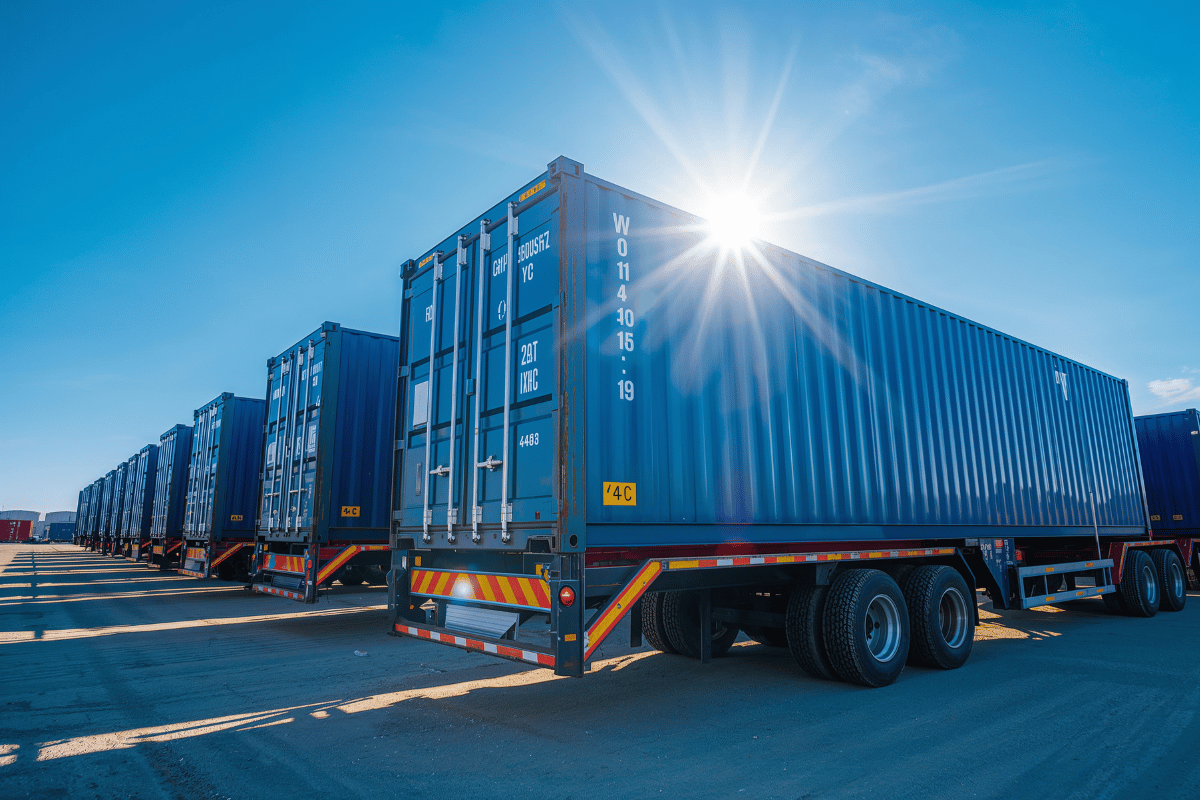
Trailer finance is a separate conversation from truck finance, and getting it right can protect your cash flow and your tax position. Whether you run a freight fleet, a landscaping crew or a building business, a trailer is often the asset that decides how much work you can take on. This guide explains how trailer finance works in Australia, what lenders look for, and how to structure a deal that suits your business.
Why Trailers are a Different Asset Class from Trucks
Lenders do not treat a trailer like a prime mover. A truck is a powered, high-value asset with a deep resale market and a clear depreciation curve. A trailer has no engine, often lasts longer, and holds its value in a different way. Those differences change how a lender values it, how long they will lend for and what they want from you.
Here is how the two compare in practice:
Because trailers are cheaper on average, many owners assume finance is simple. In practice, lenders still assess the asset type, the age, the supplier and the way the trailer will be used. A refrigerated trailer, a car carrier and a side-tipper each carry a different risk profile, so the rate, term and deposit can differ from a truck loan.
If you are financing the whole rig, you may need two facilities or one combined structure. Our truck and commercial vehicle finance team can structure the prime mover and the trailer together or as separate contracts, depending on what suits your cash flow.
Types of Trailers you can Finance
Most commercial trailers qualify for finance when they are new or late-model from a dealer or reputable supplier. Common categories include:
- Semi trailers: curtain-siders, flat tops, skels, tautliners and refrigerated units used in line haul and distribution.
- Tippers and side-tippers: used in earthmoving, quarrying, bulk haulage and civil work.
- Car carriers and tilt trailers: used by towing, recovery and vehicle transport operators.
- Plant and low loader trailers: used to move excavators, loaders and other heavy equipment.
- Tradie and utility trailers: box trailers, enclosed trailers and tool trailers for builders, electricians, plumbers and landscapers.
- Specialty and custom builds: livestock, tanker, dog and pig trailers, and fit-for-purpose builds made for a single operator.
The more standard the trailer, the easier it is to finance. A common curtain-sider from an established manufacturer is simple to value. A one-off custom build may need a larger deposit, a shorter term or a specialist lender, because the resale market is narrower.
If you are also buying forklifts, cranes or workshop gear, you can bundle them under broader equipment finance so you deal with one broker and one set of paperwork.
Trailer Finance Options Explained
There is no single best structure. The right option depends on how long you will keep the trailer, how you want to treat it for tax, and how much cash you want to keep in the business.
Chattel mortgage is the most common structure for business trailers. You buy the trailer, the lender takes a mortgage over it, and you repay over an agreed term. GST-registered businesses can usually claim the GST credit on the purchase price in the period they buy, which helps cash flow, but your accountant should confirm how it applies to you.
Our asset finance specialists compare lenders across these structures so you can see how each one affects your repayments and tax position.
Tax and compliance points to check
The ATO's instant asset write-off lets eligible small businesses with an aggregated turnover under $10 million claim an immediate deduction for eligible assets costing less than $20,000. The limit applies per asset, and the asset must be first used or installed ready for use in the income year. Many smaller trailers fall below that figure, while larger semi trailers usually sit above it and are typically depreciated over time. Confirm the current rules on the ATO website and with your accountant before you buy. For more detail on timing, read our guide to the instant asset write-off and EOFY.
Compliance matters as well. Trailers are registered through your state or territory transport authority, and the National Heavy Vehicle Regulator provides a registration checker and information for heavy vehicle operators. Lenders usually want the trailer registered, insured and in your business name, so factor those costs into your budget.
What Lenders Look at When you Apply
Lenders assess both the business and the trailer. Having the right documents ready speeds up approval.
- The asset: type, age, condition, supplier and whether it is new or used. Dealer-supplied and late-model trailers are generally easier to fund.
- Your trading history: the length of time you have held your ABN, and your business structure.
- Financial position: recent BAS statements, bank statements and, for larger deals, financials.
- Deposit: many deals need a deposit, and a larger one can improve your terms.
- Credit history: both business and director credit files can be checked.
- Purpose and fit: how the trailer will earn income and how it fits alongside your existing trucks, vehicles and debts.
New businesses and sole traders can still access trailer finance. Our start-up business loans team can help if you have limited trading history.
Terms, balloons and repayments
Terms for trailers commonly run from one to seven years, depending on the lender, the trailer's age and the asset type. A balloon payment lowers your regular repayments by deferring part of the cost to the end of the term. It can help cash flow, but you need a plan to pay it out or refinance. Read our explainer on the balloon payment on an equipment loan before you decide.
Rates vary between lenders and change with the market, so compare the full cost rather than the headline rate. Look at establishment fees, early payout terms and any balloon or residual. Broader rate movements also matter, which we cover in our article on inflation, interest rates and business finance.
Common Trailer Finance Mistakes to Avoid
- Treating the trailer like a truck loan. Terms, deposits and valuation differ, so shop the deal as its own asset.
- Ignoring the whole-rig cost. Add registration, insurance, tyres, maintenance and the towing vehicle to your cash flow plan.
- Choosing the lowest repayment only. A long term or large balloon can cost more overall.
- Buying a custom build without checking resale value. Specialised trailers can be harder to value and sell.
- Leaving tax advice until after purchase. Timing and structure can affect your deductions, so speak with your accountant first.
- Applying with one lender only. Different lenders favour different asset types, and a broker can compare many options in one go. See why a commercial finance broker can save time and money.
Trailer Finance FAQs
Can I finance a used trailer?
Yes. Many lenders fund used trailers, though age limits, higher rates or larger deposits may apply, especially for older units or private sales.
Can I get trailer finance with no deposit?
Some deals are available with little or no deposit for established businesses with strong financials. Approval depends on the lender, the asset and your credit profile.
Is a trailer financed differently to a truck?
Often, yes. Lenders assess trailers as a separate asset class, so valuation, term and deposit requirements can differ from a truck loan.
Can I finance a trailer and a truck together?
Yes. They can be combined in one facility or set up as separate contracts, depending on what suits your cash flow and tax position.
Can sole traders and tradies get trailer finance?
Yes. Sole traders, partnerships and companies can all apply, provided they have a valid ABN and meet the lender's criteria.
Get Trailer Finance Advice from a Gold Coast Broker
Millard Financial helps transport and trade businesses across Australia access top-tier lenders in one call. We compare options, explain the trade-offs and help you structure finance around your business, not just the asset.
We work with operators in industrial and trade hubs across the Gold Coast and beyond, including:
- Yatala equipment finance
- Ormeau equipment finance
- Molendinar equipment finance
- Carrara equipment finance
- Coomera equipment finance
- Brisbane equipment finance
- Tweed Heads equipment finance
Can't see your suburb? Browse all our Gold Coast and regional locations.
If you are planning a trailer purchase, contact Millard Financial or call 0403 945 148 for a free, no-obligation chat.
General information only. This article does not consider your objectives, financial situation or needs, and is not tax or legal advice. Speak with your accountant or financial adviser before making a decision. Tax rules and thresholds can change, so check the ATO website for current details.
Latest insights and trends




Ready to secure your finance solution?


Licensing statement:PENNY ENTERPRISES PTY LTD has been appointed as a Corporate Credit Representative of Connective Credit Services.
The Corporate Credit Representative Number (CRN) for PENNY ENTERPRISES PTY LTD is 566212 Australian Credit Licence 389328 Disclaimer statement: Disclaimer: Your full financial situation would need to be reviewed prior to acceptance of any offer or product.
Member of FBAA Finance Brokers Associate Australia Member of AFCA Australian Financial Complaints Authority