
What Is the Lowest Credit Score for a Construction Loan?
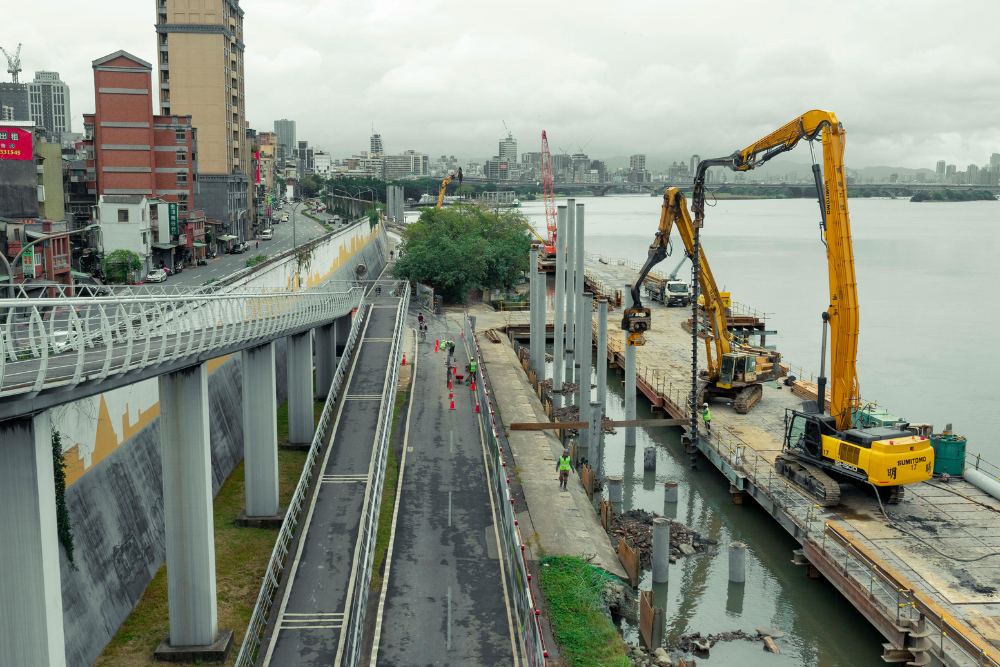
If you’re planning a building project on the Gold Coast or in South East Queensland, understanding what credit score for a construction loan matters is one of the first steps to securing finance. Whether you’re building your dream home, expanding a business property, or considering commercial construction, knowing how credit score requirements influence lenders’ decisions can save you time and stress.
In this guide, we’ll unpack how a construction loan works, what lenders look for, and whether you can still get finance with less‑than‑perfect credit.
What Is a Construction Loan?
A construction loan is a short‑term facility specifically designed to fund the building process. Unlike a standard mortgage, where the full amount is paid upfront, construction loans release funds in stages—often aligned with construction milestones—until your project is complete. This is known as the construction loan drawdown stages.
How Does a Construction Loan Work?
Here’s a simple breakdown:
- Pre‑Approval: Your lender assesses your credit, income, deposit, and project costs.
- Approval: Once approved, the total approved amount is set.
- Drawdown: Funds are released in stages—commonly at slab down, frame up, lockup, and practical completion.
- Interest Only During Build: You typically pay only interest on the amount drawn during construction.
- Conversion: Once the build is finished, the loan can convert to a standard home loan or commercial mortgage.
This staged funding system protects lenders and helps you manage cash flow through the construction process.
What Credit Score for a Construction Loan Matters?
How Hard Is It to Get a Construction Loan?
Construction loans are generally harder to secure than regular home loans because they present additional risk. Lenders must assess not just your ability to repay, but also the viability of your project, builder credentials, site conditions, and projected costs.
A credit score is one clear indicator that lenders review to judge your financial reliability.
What Is the Lowest Credit Score for a Construction Loan?
There’s no one‑size‑fits‑all answer, but as a rough guide in Australia:
- A good credit score improves approval odds.
- Scores in the mid to high range are preferred.
- Some lenders may consider applicants with lower scores, but this often comes with stricter terms, higher deposits, or supplemental guarantees.
If your credit file shows defaults, late payments, or limited credit history, it’s not necessarily a deal‑breaker—but you may face higher interest rates or deposit requirements.
Can You Get a Construction Loan with Bad Credit?
Yes — but it’s more challenging. Some lenders in Gold Coast and South East Queensland may assess applicants on a broader financial profile. If you have:
- A stable income
- Strong cash flow
- A solid deposit
- Good equity in existing property
…you may still secure a loan despite a below‑average credit score. However, expect:
- Higher interest rates
- Larger construction loan deposit requirements
- Stricter serviceability assessments
- Possible requirement for guarantees
This is where speaking with a specialist can make a real difference—especially for complex situations like self‑employed applicants or business owners.
💡 Tip: The Australian government’s MoneySmart website offers great guidance on credit reports and how to improve them.
Construction Loan vs Home Loan — What’s the Difference?
A construction loan differs significantly from a traditional home loan:
Feature
Construction Loan
Home Loan
Funding
Paid in stages
Full amount upfront
Interest
Charged only on drawn funds
Charged the full amount
Risk
Higher for lenders
Lower
Terms
Shorter (build period)
Longer (repayment term)
These differences mean lenders scrutinise construction loan applications more closely.
Construction Loan Deposit Requirements
Most lenders require a higher deposit for construction finance than for a standard home loan. While some home loans may accept 5–10% deposits, construction loans commonly ask for:
- 15–20% deposit or more
- Additional buffer for contingencies
Why? Because the risk can be higher if costs overrun or building issues arise. A larger deposit also improves your borrowing position by lowering the loan‑to‑value ratio (LVR).
Using equity from existing property can help meet deposit requirements. You may be able to borrow against that equity to reduce the upfront cash required.
Construction Loans for Business Owners & ABN Holders
If you’re a business owner or hold an ABN, lenders may apply extra criteria when reviewing your application. They’ll look at:
- Business cash flow and profitability
- Credit history of the business and the individual
- Stability and revenue trends
Government resources, like the Australian Taxation Office’s information on managing business finances, can help you understand your financial profile
Self‑employed borrowers often benefit greatly from specialist advice to structure their application in the strongest possible way.
Interest Rates on Construction Loans
Interest rates on construction loans may be:
- Slightly higher than regular home loans
- Variable or fixed, depending on the lender
- Affected by your credit score, deposit size, and risk profile
Always compare lenders and consider how interest is charged during the build. Paying interest only during construction can lighten cash flow pressure early on.
Construction Loan Approval Process Explained
The approval journey usually looks like this:
- Pre‑approval assessment
- Provide documentation
- Income proof
- Credit history
- Building contract & plans
- Cost estimates
- Valuation of the land or project
- Conditional approval
- Formal approval
- Finance drawdowns aligned to construction stages
Having your documents in order can speed up this process. Lenders often request extra forms, especially for complex builds.
How Much Can I Borrow for Construction?
Borrowing capacity depends on:
- Your income
- Credit history
- Deposit and equity
- Serviceability
- Project costs
Keep in mind that lenders often add a contingency buffer to cover unforeseen expenses.
Equipment Finance and Construction Projects
For construction businesses, access to machinery is essential. Loans and finance options that may support your project include:
- Heavy Machinery Loans
- Excavator & Earthmoving Equipment Finance
- Mobile & Tower Crane Finance
- Truck & Commercial Vehicle Finance
- Mining & Quarry Equipment Loans
- Asset, Vehicle & Personal Finance
These can complement your main construction loan by financing tools and machinery needed on-site.
Final Thoughts
Understanding what credit score for a construction loan is just one piece of the puzzle. Lenders consider your full financial profile, project details, deposit, and documentation.
If you’re ready to start or improve your chances of approval, professional guidance can make all the difference.
Ready to take the next step with your construction loan on the Gold Coast or in South East Queensland?
Reach out to the team at Millard Financial today for personalised advice, tailored lending solutions, and support through every stage of your construction finance journey.
Contact us now to start your custom construction finance plan.
Latest insights and trends
.png)
.png)


.png)
Ready to secure your finance solution?


Licensing statement:PENNY ENTERPRISES PTY LTD has been appointed as a Corporate Credit Representative of Connective Credit Services.
The Corporate Credit Representative Number (CRN) for PENNY ENTERPRISES PTY LTD is 566212 Australian Credit Licence 389328 Disclaimer statement: Disclaimer: Your full financial situation would need to be reviewed prior to acceptance of any offer or product.
Member of FBAA Finance Brokers Associate Australia Member of AFCA Australian Financial Complaints Authority