
Farm Equipment Loans in Australia: Rates, Deposits, Terms and Seasonal Repayment Options
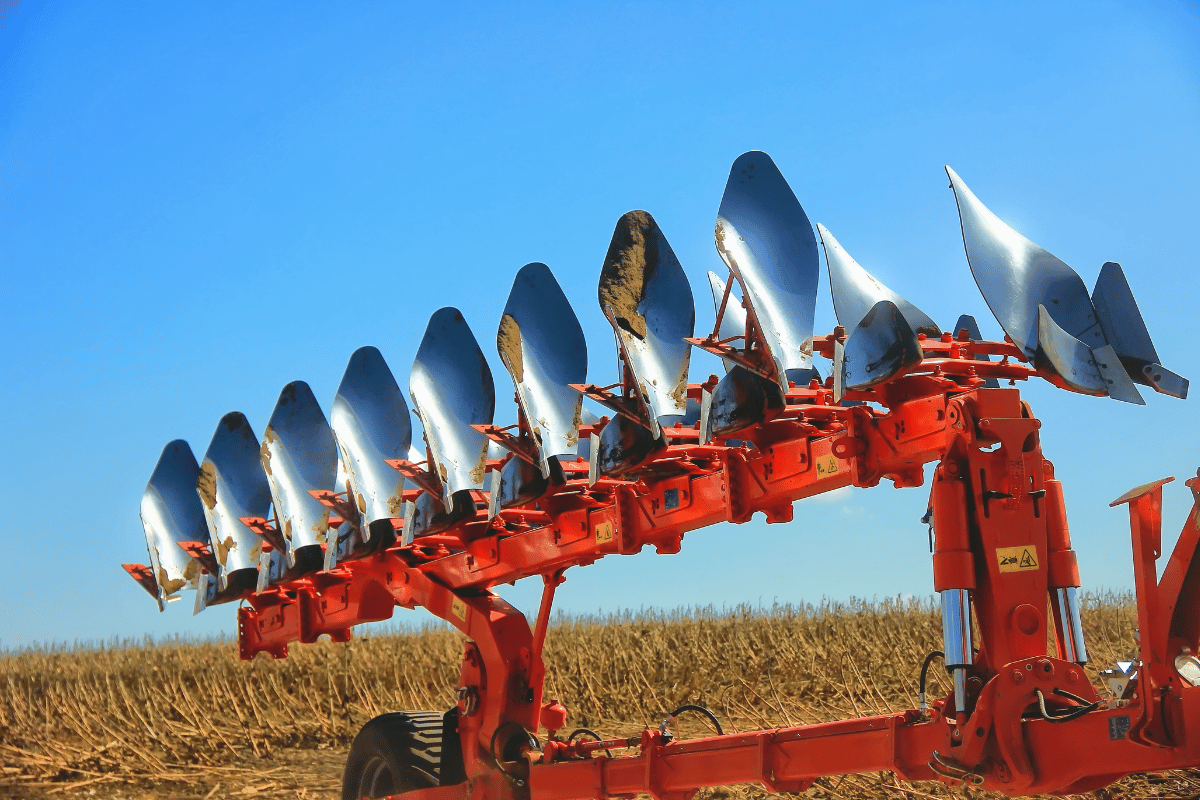
Farm machinery finance lets Australian producers get the equipment they need now and pay for it across the seasons that earn the money. The hard part is working out what a good deal looks like. Rates, deposits, loan terms and repayment structures all affect what you really pay, and farm income rarely arrives in tidy monthly amounts.
This guide explains how farm equipment loans work in Australia, what lenders typically ask for, and how seasonal repayment options can keep your cash flow in step with harvest, sale and milking cycles.
What Is Farm Machinery Finance?
Farm machinery finance is a loan or lease used to buy agricultural equipment without paying the full price upfront. The machine usually acts as security for the loan. That is one reason agricultural equipment finance is often cheaper than an unsecured business loan.
Financing for farm equipment can cover:
- Headers, balers and seeding equipment
- Sprayers and spreaders
- Irrigation systems
- Livestock handling gear, feed mixers and dairy equipment
- Silos and storage
- Farm trucks and trailers
Both new and used machinery can be financed. If you are specifically buying a tractor or harvester, our guide on how farmers can finance tractors and harvesters goes deeper on those assets.
Farm Equipment Loan Rates in Australia
There is no single published rate for a farm equipment loan. Equipment finance rates in Australia have typically sat between about 6.50% and 10.99% p.a. Where you land depends on:
- Your credit history and trading record: Established operators with clean repayment histories usually access the sharpest pricing.
- The machine: Newer, in-demand equipment from well-known brands is easier for a lender to value and resell. Older or specialised machinery usually costs more to finance.
- Your deposit: A larger deposit lowers the lender’s risk.
- Loan term: Shorter terms can attract lower rates, but the repayments need to suit your cash flow.
- Fixed or variable: Fixed rates give certainty. Variable rates move with the market. See our comparison of fixed vs variable interest rates for equipment finance.
Rates also move with the broader market. The Reserve Bank lifted the cash rate to 4.85% on 3 November 2026, its fifth increase this year. Older rate guides may no longer reflect what lenders are charging, so ask for a current quote. For more on what drives pricing, read equipment finance interest rates in Australia.
When comparing offers, look beyond the headline rate. Check establishment fees, account-keeping fees, early payout costs and the comparison rate.
How Much Deposit Do You Need for Farm Equipment Finance?
Deposits for farm equipment finance typically range from 10% to 30% of the purchase price. Some lenders offer no-deposit options for established farms with strong production records and consistent income.
A larger deposit generally means a lower rate and lower repayments. Low or no-deposit structures can free up cash for inputs, labour and fuel, but they are often priced slightly higher. If you are weighing it up, ask for quotes at two or three deposit levels and compare the total cost, not just the monthly repayment.
Loan Terms for Farm Equipment Finance
Farm equipment loan terms commonly run from one to seven years. The term is often linked to the age and expected working life of the machine. Newer equipment can usually be financed over a longer period than older used equipment.
A longer term lowers each repayment but increases the total interest you pay. A shorter term does the opposite. You will also come across a few common structures:
- Chattel mortgage: You own the machine from day one and the lender holds security over it. Read our guide to what a chattel mortgage is.
- Equipment loan or hire purchase: Fixed repayments over an agreed term.
- Finance lease: The lender owns the machine and you pay to use it. See loan vs lease to compare.
- Balloon payment: A lump sum due at the end of the term, which lowers repayments in the meantime. Here is what a balloon payment on an equipment loan means.
Seasonal Repayment Options for Farm Equipment Loans
Most farm income arrives in lumps, at harvest, after a livestock sale or when a wool clip is sold. Standard monthly repayments can be hard to meet during the lean months. Many specialist agribusiness lenders offer structures that line up with your income cycle, including:
- Seasonal or stepped repayments: Lower payments outside peak income months and larger payments after harvest or sales.
- Annual or six-monthly repayments: Fewer, larger instalments timed to when income lands.
- Balloon or residual payments: Smaller regular repayments with a final lump sum, planned from the start.
- Deferred first payment: A gap before repayments begin, so a new machine can earn income before the first instalment is due.
These options depend on the lender, the equipment and your financial position. Lenders will usually want to see how and when your income arrives, so keep production records, sales history and tax returns up to date. Our post on how agricultural finance can help reduce risk in unpredictable seasons covers how repayment timing can protect your cash flow.
Another tool worth knowing about is the Farm Management Deposit scheme. It lets eligible primary producers set aside pre-tax income in strong years and draw on it in leaner ones. It is not a loan structure, but it can build a buffer to help cover repayments in a tough season. The deposit cap is $800,000, and your non-primary production income must be under $100,000 in the year you deposit. Check the rules on the Department of Agriculture’s Farm Management Deposits page and speak with your accountant.
A Simple Example
This is an illustration only, not a quote.
Say you buy a $150,000 piece of equipment with a 20% deposit and finance the remaining $120,000 over five years at 7.5% p.a. Monthly repayments would be roughly $2,405, and the total interest over the term would be around $24,270. This excludes fees and assumes no balloon.
A seasonal structure on the same loan could lower repayments in the off-season and lift them after harvest. Because the balance reduces more slowly, the total interest can be slightly higher. For many farms that is a fair trade for staying comfortably on top of repayments. Your broker can model both options side by side.
Tax Considerations for Farm Equipment Finance
Financing equipment can have tax benefits, depending on your situation. From 1 July 2026, the small business instant asset write-off is permanently set at $20,000 per asset for businesses with turnover under $10 million. Many farm machines cost more than that, but it can apply to smaller items, such as implements and attachments. Assets costing $20,000 or more can generally go into the small business simplified depreciation pool. See the ATO’s guide to the instant asset write-off for eligibility.
Interest, depreciation and GST treatment vary by structure and business. Always confirm the details with your accountant before you sign.
What Lenders Look For
When assessing a farm equipment loan, lenders generally review:
- Farm income, cash flow and existing debt
- Credit history
- Equipment type, age and purchase price
- Your farming experience and trading history
- Deposit size
Having your paperwork ready speeds things up. Most applications need identification, ABN details, tax returns, financial statements, bank statements and an equipment quote or invoice.
Newer farming businesses are not locked out. Our start-up business loans can help with a limited trading history, and if your credit has taken a knock, complex business finance can open up more lender options.
Common Mistakes to Avoid
- Focusing only on the rate. Fees, flexibility and the repayment structure all affect the real cost.
- Ignoring seasonal cash flow. If your income is lumpy, your repayments should reflect that where possible.
- Choosing the wrong term. A term much longer than the machine’s useful life can leave you owing more than it is worth.
- Skipping the comparison. Rates for the same machine and profile can vary between lenders.
- Leaving tax advice until later. Talk to your accountant before you commit.
Farm Machinery Finance Across Queensland and Northern NSW
Millard Financial helps farmers and rural operators across Queensland and northern New South Wales, with a panel of more than 50 lenders. If you are based locally, see our pages for Advancetown, Mudgeeraba, Tallebudgera, Bonogin, Nerang, Yatala, Ormeau, Upper Coomera, Tweed Heads and Brisbane. For a regional view, read our guide to agricultural finance on the Gold Coast and in Queensland.
Farm operations often need more than one type of asset. We can also help with asset finance, heavy equipment finance, truck and commercial vehicle finance, and cash flow lending for working capital between seasons.
Frequently Asked Questions
What types of farm equipment can be financed?
Most farm machinery, including tractors, headers, sprayers, balers, irrigation equipment, livestock handling gear and silos. New and used equipment can both qualify.
Can I get a farm equipment loan on farm income only?
Yes. Specialist agribusiness lenders can assess agricultural income, livestock sales and lease income. Some banks also offer agribusiness packages for primary producers.
How much deposit is needed for farm equipment finance?
Deposits typically range from 10% to 30%. No-deposit options may be available for established farms with strong production records and consistent income.
Are there repayment options for seasonal cash flow?
Yes. Many agribusiness lenders offer seasonal repayment structures aligned to harvest and selling cycles, with reduced repayments outside peak income months. Availability depends on the lender and your circumstances.
What is the difference between a farm equipment loan and a lease?
With a loan or chattel mortgage, you own the machine from the start. With a lease, the lender owns it and you pay to use it. The right choice depends on your tax position, cash flow and plans for the machine.
How fast can farm equipment finance be approved?
Approval times vary by lender and how complete your documents are. Millard Financial’s typical loan approval turnaround is 24 hours once we have what we need.
Get a Tailored Farm Machinery Finance Quote
The right farm equipment finance depends on your machine, your cash flow and your season. Millard Financial compares lenders on your behalf and structures repayments around how your farm actually earns.
Contact Millard Financial or call 0403 945 148 to talk through your options.
This article is general information only and is not financial, tax or legal advice. Rates, terms and tax rules change, and your full financial situation would need to be reviewed before any offer or product is accepted. Speak with your accountant about tax.
Latest insights and trends


Ready to secure your finance solution?


Licensing statement:PENNY ENTERPRISES PTY LTD has been appointed as a Corporate Credit Representative of Connective Credit Services.
The Corporate Credit Representative Number (CRN) for PENNY ENTERPRISES PTY LTD is 566212 Australian Credit Licence 389328 Disclaimer statement: Disclaimer: Your full financial situation would need to be reviewed prior to acceptance of any offer or product.
Member of FBAA Finance Brokers Associate Australia Member of AFCA Australian Financial Complaints Authority