
What is the Average Term for a Boat Loan Gold Coast?
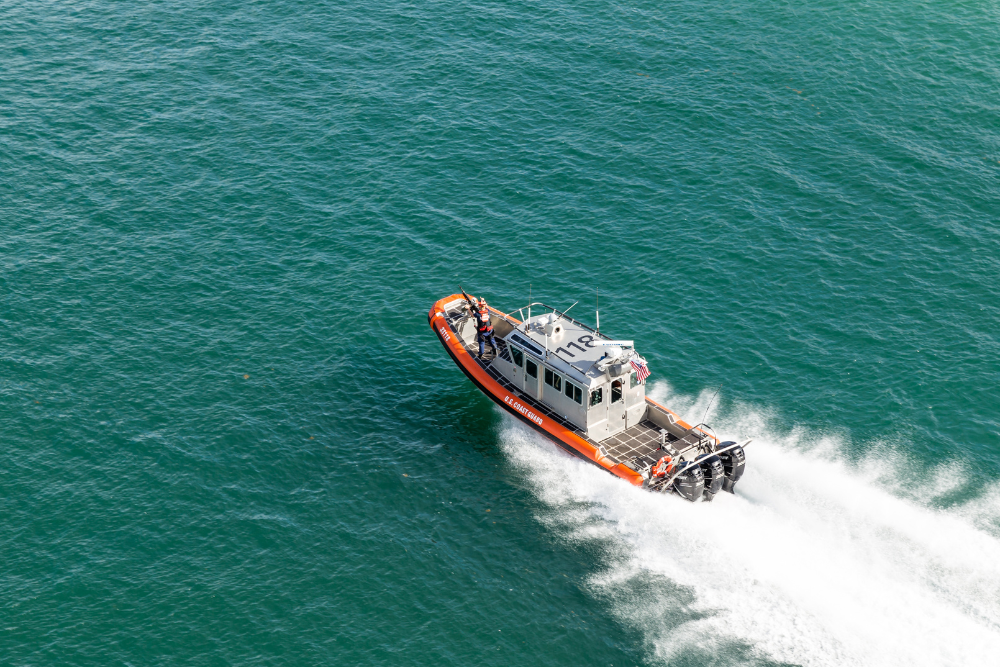
Whether you want to cruise the Broadwater, fish offshore or enjoy weekends on a jet ski, choosing the right finance term is an important part of buying a vessel. Many buyers start by asking: what is the average term for a boat loan on the Gold Coast?
Boat loan terms commonly range from three to seven years, although some lenders may offer shorter or longer terms depending on the vessel, loan amount and applicant. The best term is not necessarily the longest one. It should provide manageable repayments without creating an unnecessarily high total interest cost.
This guide explains how boat loan terms work, what can influence the term a lender offers and how to compare boat loans on the Gold Coast for new boats, used vessels and jet skis.
What Is a Typical Boat Loan Term in Queensland?
Many boat loans are structured over three to seven years. However, the available term can vary based on:
- Whether the boat is new or used
- The vessel's age, condition and expected resale value
- The amount being borrowed
- The deposit or equity contributed by the buyer
- The applicant's credit profile and repayment capacity
- Whether the application is full-doc or low-doc
- The lender's credit criteria
A newer vessel may qualify for a longer term because it is likely to retain more value during the loan period. An older boat may be subject to a shorter term, particularly if the lender has limits on how old the vessel can be when the loan ends.
Before selecting a term, use the Moneysmart personal loan calculator to compare estimated repayments and overall interest costs. The calculator is a useful starting point, but the actual rate, fees and approval conditions will depend on the lender and your circumstances.
How the Loan Term Affects Your Repayments
The term of a boat loan affects both the regular repayment and the total amount paid over the life of the loan.
Shorter boat loan term
A shorter term generally means:
- Higher weekly, fortnightly or monthly repayments
- Less interest paid over the life of the loan
- Faster ownership of the boat without finance attached
- Greater pressure on short-term cash flow
Longer boat loan term
A longer term generally means:
- Lower regular repayments
- More room in the household or business budget
- More interest paid over the full loan period
- A greater risk of owing more than the vessel is worth if it depreciates quickly
The right balance depends on your income, existing commitments and how long you expect to keep the boat. Comparing the repayment amount alone can be misleading, so review the comparison rate, fees, total repayment and any early payout conditions as well.
What Boat Finance Options Are Available?
Gold Coast buyers may be able to choose from several marine finance structures depending on how the vessel will be used.
Personal boat and jet ski finance
Finance may be available for new or used recreational boats, personal watercraft and jet skis. Millard Financial's boat and jet ski finance service can help buyers compare suitable lender options for their intended purchase.
Secured boat loans
With a secured loan, the vessel is generally used as security. Because the lender has an asset supporting the loan, secured finance may offer more competitive terms than an unsecured option, subject to the applicant and vessel meeting the lender's requirements.
Low-doc boat finance
Low-doc finance may suit some self-employed applicants who cannot provide the standard income documents used in a full-doc application. Lenders may instead assess items such as business bank statements, BAS records, an accountant's declaration or ABN history. A low-doc option does not mean automatic approval, and rates, deposits or lending conditions may differ.
Commercial marine and equipment finance
If the boat will be used to generate business income, such as for charter, tourism, transport or fishing, it may need to be assessed as a commercial asset. Millard Financial's equipment finance solutions cover a broad range of income-producing assets and business equipment financing needs.
New Versus Used Boat Loan Terms
Both new and used vessels can be financed, but their age and value can affect the available loan structure.
Financing a new boat
New boats may qualify for longer terms because they have no prior wear and may retain stronger value during the finance period. Buyers should still consider depreciation, dealer costs, insurance, registration, servicing and storage when setting their budget.
Financing a used boat
A used boat can reduce the initial purchase cost, but lenders may consider its age, condition and market value more closely. Some may require a marine inspection, valuation or additional information about the vessel. Older boats may receive shorter maximum terms or different rates.
The purchase price should not be the only consideration. Allow for maintenance, repairs, marina fees, fuel, safety equipment and insurance when deciding what repayment is affordable.
What Determines Boat Loan Interest Rates?
There is no single standard rate for all boat loans. The rate offered can depend on:
- Credit history and current liabilities
- Income and capacity to meet repayments
- Loan amount and chosen term
- Deposit or equity contribution
- Age and type of vessel
- Whether the loan is secured or unsecured
- Whether the application is full-doc or low-doc
- The lender's current pricing and credit policy
Avoid relying on a general advertised rate without checking whether it applies to your circumstances. Moneysmart explains how to compare loans, interest rates and fees, including why the comparison rate can provide a clearer view of certain borrowing costs.
If you are also comparing finance for business assets, this guide to equipment and machine finance interest rates explains factors that can influence equipment finance rates. The underlying principles can be helpful, although boat finance products and lender criteria may differ.
How to Apply for a Boat Loan on the Gold Coast
The application process usually involves the following steps:
- Set a realistic budget. Include the purchase price and ongoing ownership costs.
- Choose the vessel. Gather its make, model, age, price and seller details.
- Prepare your documents. These may include identification, proof of income, bank statements, details of liabilities and information about your deposit.
- Compare lenders and loan structures. Review the term, rate, fees, total cost and repayment flexibility.
- Submit the application. The lender may request a valuation, inspection or further documents.
- Review the approval and contract. Check every condition before accepting and arranging settlement.
For a more detailed overview, read how boat finance on the Gold Coast works.
Why Use an Asset Finance Broker for a Boat Loan?
An asset finance broker can review finance options from multiple lenders and identify products suited to the applicant, vessel and intended use. This may be particularly useful for self-employed borrowers, commercial operators, older vessels or applications that do not fit standard bank criteria.
A broker can help you:
- Compare available boat finance structures
- Understand lender eligibility requirements
- Prepare the documents required for an application
- Assess repayment terms, fees and conditions
- Consider low-doc or commercial options where appropriate
- Coordinate the application through to settlement
If you are deciding whether to approach a lender directly, read Millard Financial's guide comparing an asset finance broker versus a bank.
Frequently Asked Questions About Boat Loan Terms
Can I get a seven-year boat loan?
A seven-year term may be available, but approval depends on the lender, vessel and applicant. The boat's age at the end of the proposed term can be an important consideration.
Can I finance a used boat on the Gold Coast?
Yes, many lenders consider used boats. The maximum term, deposit and rate may vary based on the boat's age, condition and value.
Are low-doc boat loans available to ABN holders?
Some lenders offer low-doc options for eligible self-employed borrowers and ABN holders. An active ABN alone does not guarantee approval. The lender may assess ABN age, business activity, bank statements, credit history and ability to repay.
If you are seeking finance for a new business rather than a personal vessel, explore start-up business loans or learn more about new and young ABN loans. These products have a different purpose and assessment process from recreational boat finance.
Can I repay a boat loan early?
That depends on the loan contract. Some lenders permit additional repayments or early payout, while others may charge fees. Ask for the early repayment conditions before accepting the loan.
How quickly can boat finance be approved?
Timeframes vary. A complete application for a standard vessel may be assessed faster than one requiring further income verification, a valuation or a marine inspection. Providing accurate documents at the start can help reduce delays, but applicants should avoid treating any approval timeframe as guaranteed.
Find the Right Boat Loan Term for Your Budget
The average boat loan term on the Gold Coast is commonly between three and seven years, but the most suitable term depends on your budget, the vessel and the total cost of borrowing. A shorter loan can reduce interest, while a longer term can lower regular repayments. The goal is to choose a structure you can comfortably maintain without paying more interest than necessary.
Millard Financial can help you compare boat loans on the Gold Coast, including finance for new boats, used vessels, jet skis and eligible commercial marine assets. Contact Millard Financial to discuss your purchase and available finance options.
Credit criteria, fees, terms and conditions apply. This content provides general information and does not constitute personal financial advice.
Latest insights and trends
.png)
.png)


.png)
Ready to secure your finance solution?


Licensing statement:PENNY ENTERPRISES PTY LTD has been appointed as a Corporate Credit Representative of Connective Credit Services.
The Corporate Credit Representative Number (CRN) for PENNY ENTERPRISES PTY LTD is 566212 Australian Credit Licence 389328 Disclaimer statement: Disclaimer: Your full financial situation would need to be reviewed prior to acceptance of any offer or product.
Member of FBAA Finance Brokers Associate Australia Member of AFCA Australian Financial Complaints Authority