
What Are the Risks of Using Agricultural Finance?
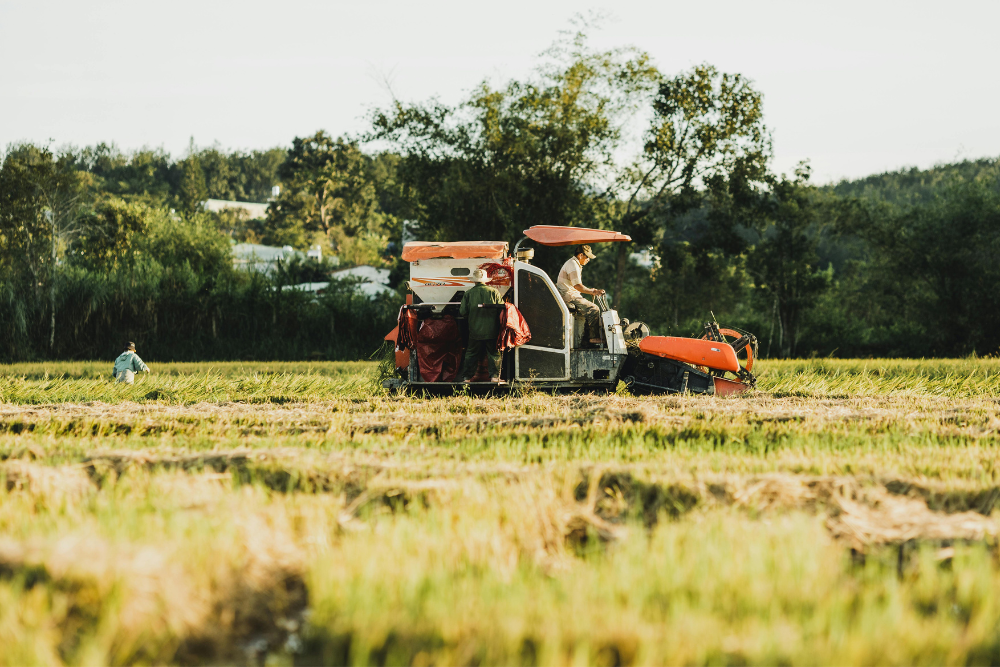
Running a farm in QLD or the Gold Coast’s outer regions means dealing with unpredictable challenges — weather shifts, machinery breakdowns, livestock needs, and sudden cash-flow pressures. Agricultural Finance can be a lifeline, helping farmers access the farm finance, agriculture loans, and machinery finance they need to keep operations moving.
But as helpful as agribusiness lending can be, there are risks every primary producer should understand before signing any agreement. Taking the time to weigh these risks helps protect your business, improve long-term profitability, and make smarter choices with agricultural lending products.
Below, we break down the key risks, how they impact Gold Coast and NSW producers, and what you can do to manage them confidently.
Understanding the Common Risks of Using Agricultural Finance
1. Market Price Volatility
Agricultural markets can shift quickly. Whether you’re relying on crop financing, livestock finance, or seasonal farm finance, fluctuating commodity prices can affect your ability to repay agriloans and commercial farm loans. When prices drop unexpectedly, the loan repayments remain the same — which can squeeze farm income.
This is particularly important for producers using primary producer finance or farm working capital loans to manage daily operations.
2. Interest Rate Exposure
Interest rates are a major factor in the cost of agricultural lending. Changes in agrifinance rates can suddenly increase repayment amounts, especially for long-term commitments like farm equipment loans, tractor loans, harvest equipment finance, or farm machinery finance.
If your loan relies on variable interest, even a small rate increase can impact cash flow. Gold Coast and QLD farmers borrowing through rural finance, rural business finance, or NSW farm loans should plan for rate fluctuations.
3. Cash-Flow Pressure During Seasonal Cycles
Agriculture is seasonal, but loan payments are not. A slow harvest, drought, or livestock decline can affect cash flow just when payments for ag equipment funding, equipment finance, or agribusiness equipment loans are due.
This can create stress and force farmers to rely on additional farm cash flow finance, increasing long-term debt load.
4. Asset Depreciation Risks
Heavy machinery such as tractors, harvesters, and other farm assets loses value over time. When using agricultural asset finance or machinery finance, you may owe more than an asset is worth if it depreciates faster than expected.
This matters for farmers investing heavily in agricultural Finance for equipment upgrades, especially when relying on loans connected to a machine’s resale value.
5. Strict Agricultural Loan Requirements
Banks and lenders often require substantial documentation, income history, security, and collateral. The agricultural loan requirements can be especially challenging for new farmers, small operations, or producers recovering from difficult seasons.
Failure to meet these conditions can delay approvals or limit the amount you can borrow through Gold Coast Farm Finance or QLD Farm Loans.
How to Reduce Farm Loan Risks and Borrow Smarter
1. Match the Right Finance Product With Your Farm’s Needs
There are many forms of agribusiness finance, from agriloans to farm finance, rural finance, and farm machinery finance. Choosing the wrong loan type — or taking on more than you need — adds unnecessary pressure.
A local specialist can help you assess whether you need:
- Agriculture loans for land or expansion
- Farm equipment loans for machinery
- Rural business finance for broader operations
- Crop financing or livestock finance for production cycles
- Farm working capital to stabilise cash flow
Each product carries different repayment structures, interest rates, and loan risks.
2. Create a Risk-Responsive Repayment Plan
A strong financial plan helps reduce the impact of seasonal downturns or poor harvests. When engaging in commercial farm loans or agribusiness lending, plan repayments so they align with your revenue cycles.
Gold Coast and QLD producers can also look into government support, such as:
These programs can help farmers stabilise income and navigate tough financial periods.
3. Work With an Experienced Agricultural Lending Specialist
Agricultural lending is complex. Working with a professional helps you avoid hidden costs, choose the right product, and understand the true affordability of agricultural Finance.
A specialist like Millard Financial can guide you through ag equipment funding, agribusiness equipment loans, farm equipment loans, and all related agricultural lending options. They can also help structure your loan to reduce risk, protect your cash flow, and ensure the finance supports — not strains — your operation.
When Agricultural Finance Is a Smart Choice
Despite risks, Agricultural Finance is essential for most Gold Coast and QLD farming businesses. It becomes a smart long-term investment when:
- You need to upgrade machinery through tractor loans or harvest equipment finance
- Cash-flow gaps occur due to seasonal fluctuations
- You require farm machinery finance to stay competitive
- You want to expand operations with commercial farm loans
- You need to maintain efficiency with new technology and equipment
- Your business is growing and requires additional rural finance or agricultural asset finance
With the right strategy, farm loan risks can be managed — and the benefits far outweigh the challenges.
Ready to secure smarter, safer and more flexible Agricultural Finance for your Gold Coast or QLD farming operation?👉 Get a free quote today
Latest insights and trends
.png)
.png)


.png)
Ready to secure your finance solution?


Licensing statement:PENNY ENTERPRISES PTY LTD has been appointed as a Corporate Credit Representative of Connective Credit Services.
The Corporate Credit Representative Number (CRN) for PENNY ENTERPRISES PTY LTD is 566212 Australian Credit Licence 389328 Disclaimer statement: Disclaimer: Your full financial situation would need to be reviewed prior to acceptance of any offer or product.
Member of FBAA Finance Brokers Associate Australia Member of AFCA Australian Financial Complaints Authority