
Can You Refinance an Existing Equipment Loan?
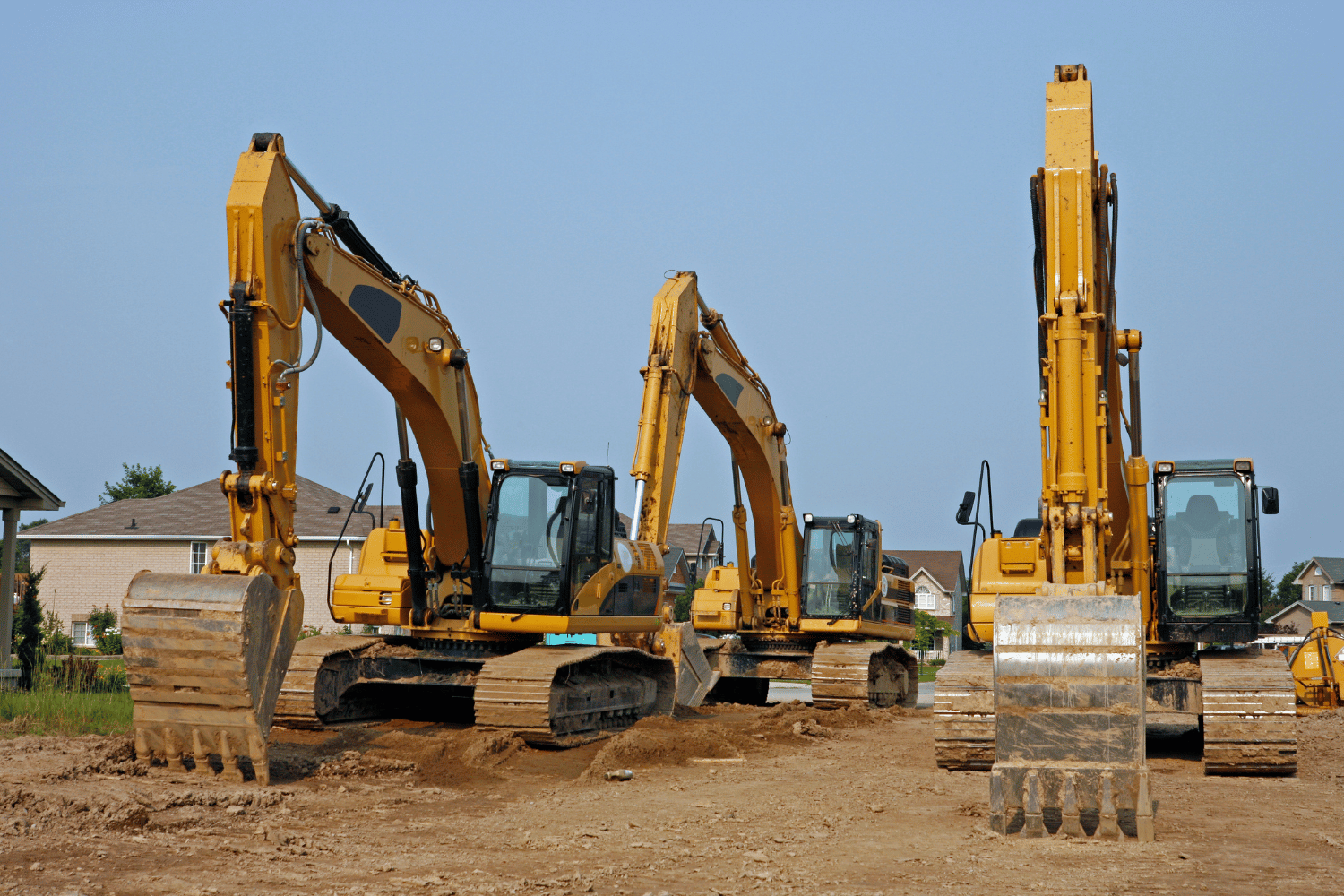
Short answer: yes. If your existing equipment loan is costing you more than it should, or your business has changed shape since you signed it, refinancing is generally on the table whether that's an excavator, a truck, a crane, or any other income-producing asset sitting on your books.
Refinancing simply means replacing your current finance facility with a new one that better suits where your business is now. Here's when it makes sense, what's involved, and what it typically costs.
What Does Refinancing Equipment Finance Actually Mean?
Refinancing pays out your existing loan and replaces it with a new facility usually with a different lender, a different rate, or a different structure altogether. The equipment itself doesn't change hands; what changes is who's financing it and on what terms.
It's a similar concept to refinancing a mortgage or a car loan, but because equipment is an income-producing business asset, lenders tend to assess it a little differently which can actually work in your favour if your business has strengthened since the original loan was written.
When Does Refinancing Make Sense?
A few common triggers worth watching for:
Your turnover or credit profile has improved. If your business is in better shape than when you first financed the equipment, stronger revenue, a longer trading history, a cleaner credit file you may now qualify for a sharper rate than you're currently paying.
Interest rates have moved. If market rates have dropped since you signed your original loan, or you're on a variable rate that's crept up, refinancing to a more competitive facility can genuinely reduce your repayments.
Your cash flow needs have changed. A longer loan term can free up monthly cash flow if things have gotten tighter, while a shorter term can help you clear the debt faster if you're in a stronger position now.
You started with a no-deposit or low-doc facility. Plenty of operators start out on a no-deposit or low-documentation loan simply because that's what they could access at the time. Once the business has more runway behind it, refinancing into a more standard facility can bring the rate down.
Contracts or workload have evolved. For businesses in civil works, infrastructure or subdivision projects, equipment needs and cash flow can shift significantly as contracts change — and your finance structure should be able to shift with it.
How the Process Typically Works
Refinancing follows a broadly similar path to your original equipment finance application:
- Review your current facility check your payout figure, any break costs, and how much term is left
- Get your financials in order updated BAS statements, bank statements and trading history speed up assessment
- Compare offers across lenders rates and terms for the same asset can vary meaningfully between lenders, so it's worth shopping around rather than refinancing with the same lender by default
- Settle the new facility the new lender pays out the old loan, and your repayments continue under the new terms
For a detailed, real-world walkthrough of this process, our guide to refinancing earthmoving equipment loans covers exactly how this plays out for excavators and other yellow goods including how civil and construction contracts factor into the decision, and options for sole traders and newer operators refinancing for the first time. The same principles largely apply whether you're refinancing an excavator, a truck, or another piece of income-producing equipment.
What Does Refinancing Cost?
Refinancing isn't free, so it's worth weighing the numbers before committing:
- Break costs or early payout fees on your existing loan, particularly if it's a fixed-rate facility
- Establishment fees on the new loan, which vary by lender
- Any gap between your payout figure and the asset's current value, especially on older equipment
A good broker will run the numbers with you upfront so you know whether the savings genuinely outweigh the costs before you commit to refinancing.
Is There a Right Time to Refinance?
There's no single perfect moment, but a few signs it's worth having the conversation: your business turnover has improved since the original loan, you're paying noticeably more than current market rates, your cash flow needs have shifted, or you're simply not sure the original loan still fits how your business operates today. If any of those sound familiar, it's worth getting a comparison quote even if you end up staying with your current lender, at least you'll know your rate is competitive.
Final Word
Yes, you can refinance an existing equipment loan, and for a lot of Australian businesses it's a straightforward way to bring repayments back in line with where the business actually is today rather than where it was when the original loan was signed. The key is comparing genuine offers across multiple lenders and weighing any break or establishment costs against the savings, rather than assuming your current facility is still your best option.
Currently financing earthmoving equipment? Read our full guide on refinancing earthmoving equipment loans for a detailed look at how the process works.
Explore our excavator and earthmoving equipment finance page to see current loan and refinance options.
Financing a different type of asset? Our full range of equipment finance solutions and heavy machinery loans covers construction, transport, mining and more.
Not sure if refinancing stacks up for your situation? Contact Millard Financial for an obligation-free comparison.
Latest insights and trends
.png)
.png)


.png)
Ready to secure your finance solution?


Licensing statement:PENNY ENTERPRISES PTY LTD has been appointed as a Corporate Credit Representative of Connective Credit Services.
The Corporate Credit Representative Number (CRN) for PENNY ENTERPRISES PTY LTD is 566212 Australian Credit Licence 389328 Disclaimer statement: Disclaimer: Your full financial situation would need to be reviewed prior to acceptance of any offer or product.
Member of FBAA Finance Brokers Associate Australia Member of AFCA Australian Financial Complaints Authority